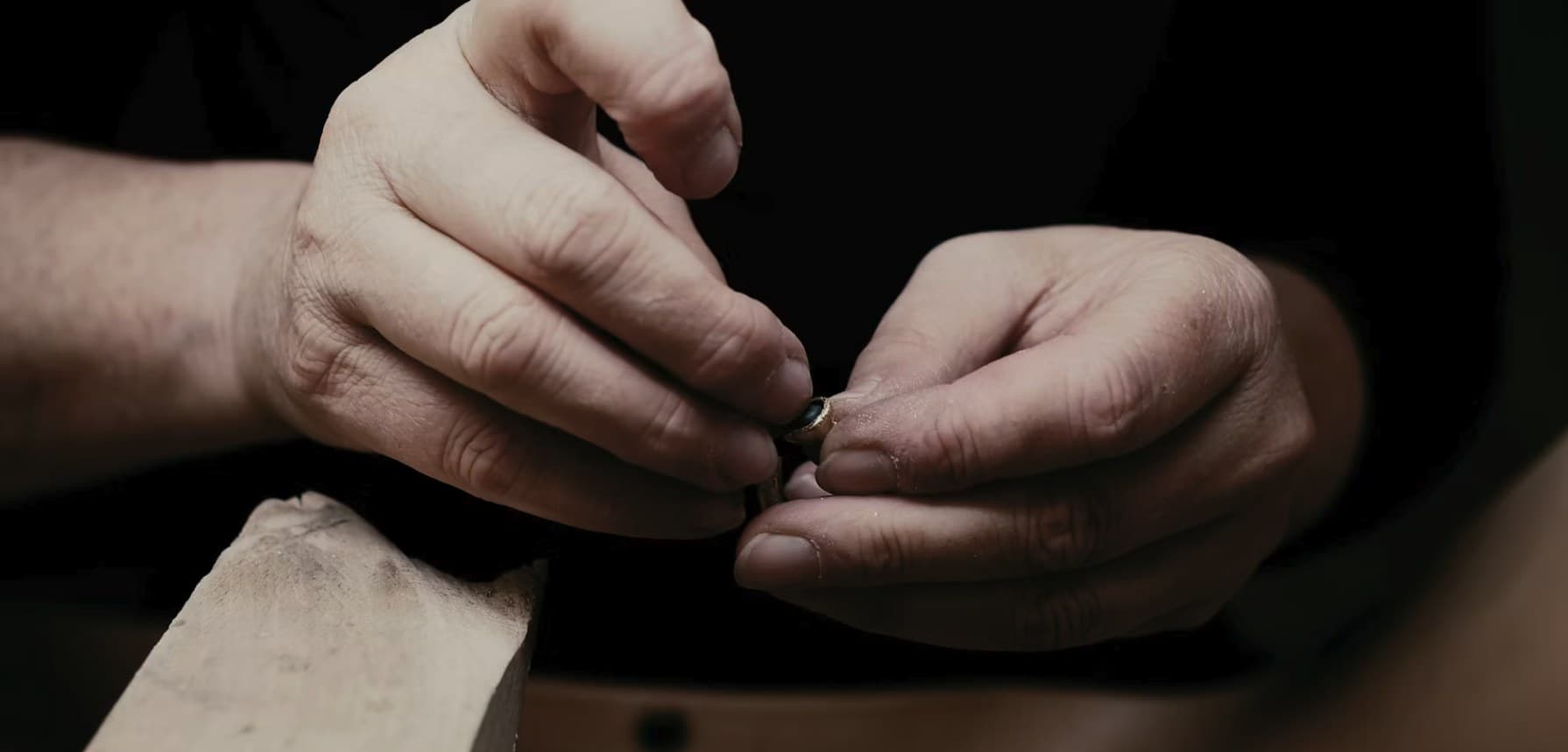
A camera on a tripod sees a wall being tiled. It does not see why the tiler pressed harder in one corner, checked the level twice, or stopped to back-butter a cut piece. That is the part a robot needs.
Most video used to train machines was never made for them. It is shot from the wrong angle, with no narration and no proof the work was done right. Labs end up guessing which hours are worth learning from.
The first-person view
We record from the worker's chest or head, so the model sees exactly what the hands see. The worker talks through each step as they go. An expert in the same trade then checks the result.
Buyers say most bulk footage is thrown away. What they keep is footage planned around a skill: the right tasks, many different people and sites, and the mistakes and fixes along the way. That is what a brief is for.
Why the tradie matters
A robot learning to tile does not need a perfect wall. It needs to see how a skilled person reads a crooked wall, decides where to start, and recovers when a cut goes wrong. Only someone who has done it a thousand times can show that, and only they can tell a reviewer whether it was done right.
So we pay them for it, credit them for it, and let them share in every licence. The best data comes from people who want to give it.